-
Chameleon. Interview with Actress Katherine Waterston
Katherine Waterston has become a reliable source for a variety of directors looking to infuse their characters with a visceral complexity, a nuanced humanity, that’s difficult to find elsewhere. It’s the reason why an astounding list of filmmakers have chosen her for their projects — cinematic powerhouses like Ridley Scott, Paul Thomas Anderson, Steven Soderbergh, and Danny Boyle. Interview by Max Berlinger, photography by Magnus Magnusson and styling by Martina Nilsson.
-
Fashion Story: India
Photography by Cheril Sanchez and fashion by Amii McIntosh.
-
Fashion Story: Let It Go
Photography by Michele Di Dio and fashion by Norbert Sütö.
-
Fashion Story: Everyday Life
Photography by Ahmet Unver and fashion by Yana McKillop.
-
Fashion Story: In My Dreams
Photography by Mattia Maestri and fashion by Naoi Woodward.
-
Fashion Story: Hiraeth
Photographer by Donna McGowan and fashion by Amanda Blackwood.
-
Fashion Story: Days We Will Remember
Photography by Kaoli and fashion by Shinnosuke Miyamoto.
-
Fashion Story: First Impression
Photography by Maximilian Hoell and fashion by Lotte Elisa.
-
Fashion Story: A Day In The Park
Photography Valeriya Polivanova and fashion by Randa Khamad.
-
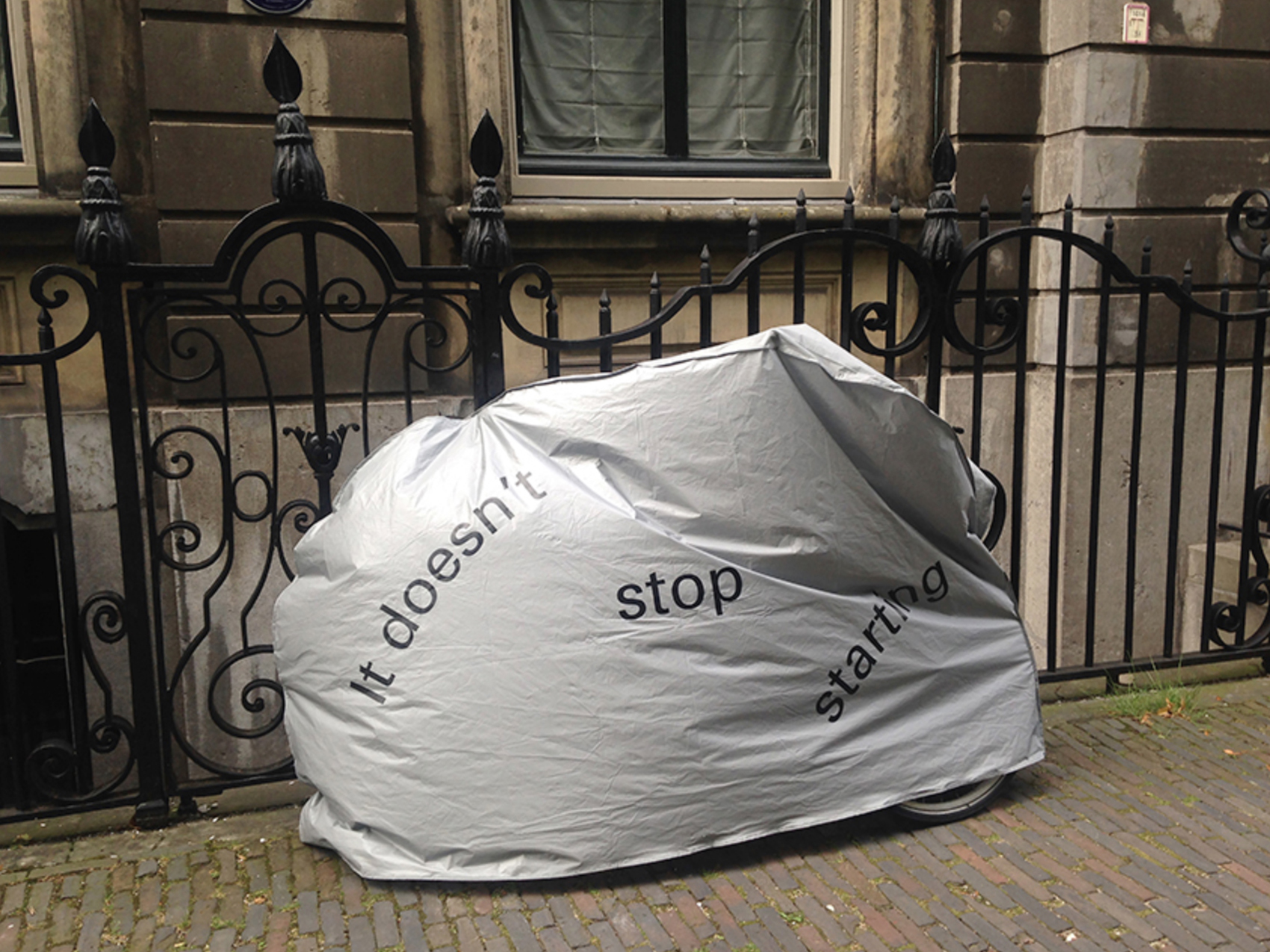
Surfaces of Real. Interview with Artist Jeannette Slütter
The action of covering up does not simply hide but it may also reveal. The contrast between the making of evident and veiling is rooted in an approach to what we know and the ways in which we know. The artist Jeannette Slütter speaks about this dispute, creating environments of oxymoronic displacement. In her work, surfaces and practices of veiling may not simply be an obstacle but it often becomes a method of questioning. In this sense, the surface becomes not only a space of superficiality and corruption but also a space for disputing the superficial and its meanings. Not simply a manner to dispute what the Real is but – most importantly – what makes the Real and when we encounter the Real.
